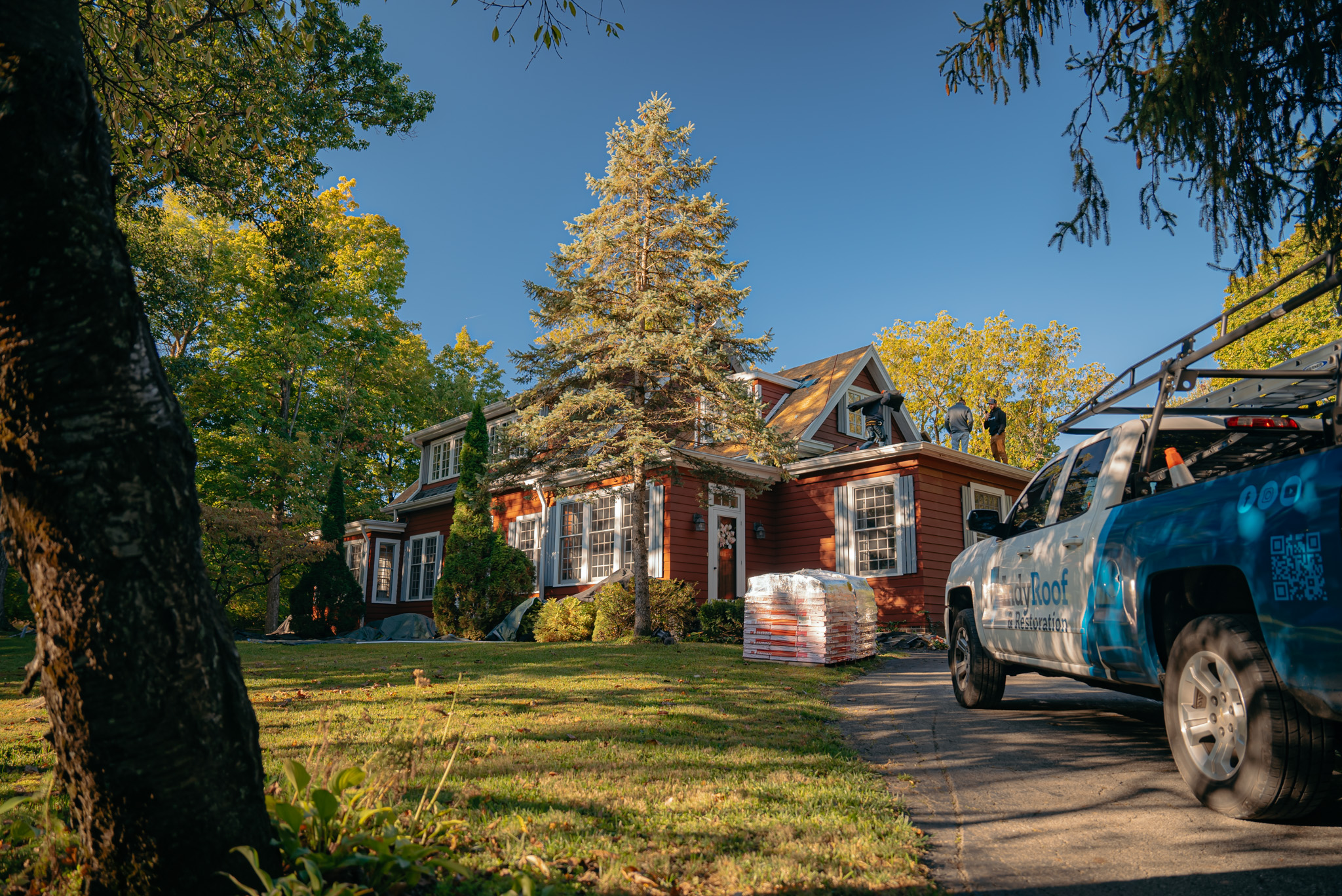
Understanding Shingle Color Choice
Choosing a shingle color is more than an aesthetic decision, since it affects both resale appeal and energy performance, and understanding these effects helps you choose well. The color influences how your home looks to buyers and how much heat the roof absorbs, which affects cooling costs. For a Oolitic homeowner, understanding how color affects resale and energy, along with how to match your home and climate, helps you make an informed choice. Understanding the color decision prepares you to weigh appearance, resale, and energy together. Given that the roof is a prominent, long lasting feature of the home, choosing a color thoughtfully, considering looks, buyer appeal, and energy, is worthwhile, and this guide explains the resale and energy effects of color and how to choose the best one for your home and situation.
Why Color Matters for Resale
Color matters for resale because it affects curb appeal and buyer preference. A roof color that complements the home's exterior and has broad appeal makes a positive impression on buyers, while a color that clashes or is unusually bold can deter some. Neutral, popular colors tend to appeal to the widest range of buyers, supporting marketability. For a Oolitic homeowner, this means a broadly appealing, complementary color is generally the safer resale choice. Understanding why color matters for resale helps you weigh it appropriately. While the roof's overall condition and quality matter most for resale, color is a visible factor that shapes first impressions, so a color with broad appeal that suits the home is a modest positive, while an unusual or clashing color can be a drawback for some buyers, making broadly appealing, complementary colors the sensible choice when resale is a consideration for your home.
Neighborhood Fit and Restrictions
Two practical considerations are how a color fits the neighborhood and any homeowners association restrictions. A color that fits the general character of the neighborhood supports curb appeal and resale, while an HOA may restrict or require approval of roof colors. For a Oolitic homeowner, this means considering neighborhood fit and checking any HOA rules before deciding. Understanding these factors helps you avoid issues. A color that complements the neighborhood's character is a safer choice for resale, while an HOA may limit your options, so confirming any rules or approval requirements is important before committing. Considering the neighborhood and any restrictions, alongside your home and preferences, ensures the color fits in, supports resale, and complies with rules. Checking these practical factors early avoids the disappointment and cost of choosing a color that does not fit the neighborhood or violates HOA rules, which could require changing it for your home.
Popular, Broadly Appealing Colors
Certain shingle colors are consistently popular and broadly appealing, suiting a wide range of homes. Neutral tones like grays, charcoals, browns, blacks, and weathered wood shades complement many exterior styles and appeal to most buyers, while being versatile and timeless. For a Oolitic homeowner, choosing from these popular options is generally a safe approach for both appeal and a look that suits the home. Understanding which colors are broadly appealing helps you choose a versatile option. While personal preference matters, these popular neutrals offer wide appeal and flexibility, making them a sensible default, especially if resale is a consideration. They suit most homes and buyers and are unlikely to date quickly, whereas more unusual colors, while expressive of personal taste, carry more risk of limiting appeal or clashing with the home, so for a safe, versatile choice, popular neutral colors are the common recommendation for your home.
Why Color Matters for Energy
Color matters for energy because it affects how much of the sun's heat the roof absorbs. Lighter colors reflect more solar radiation, keeping the roof and attic cooler, which can help reduce cooling costs in warm climates, while darker colors absorb more heat, increasing the cooling load in summer. For a Oolitic homeowner, this means color influences cooling costs, with lighter or reflective colors favoring warm climates, though the effect depends on insulation, ventilation, and climate. Understanding why color matters for energy helps you weigh it. The energy effect of color is real but moderated by your home's insulation and ventilation and your climate, so it is one factor in energy performance rather than the whole picture. A lighter or reflective roof can support cooling efficiency in warm climates, while the overall energy outcome depends on your home's broader efficiency and your specific conditions, making color one piece of the energy puzzle.
Complementing the Home
An important principle is that the roof color should complement the home's exterior, including the siding, brick, stone, and trim, and their colors and undertones. The roof is a large visible element, so it should work harmoniously with the rest of the exterior to create a cohesive look. For a Oolitic homeowner, this means choosing a roof color that suits your specific exterior, rather than in isolation. Understanding the importance of complementing the home helps you choose a fitting color. A color that works with your home's warm or cool tones, brick or siding, and trim improves the overall look and supports resale, while a clashing color detracts. Considering your home's exterior colors and undertones, and how a roof color would work with them, is essential, so viewing options against your actual home helps you find a color that looks cohesive and enhances the home's appearance rather than detracting from it.
Climate and Color
Climate strongly influences the energy aspect of color choice. In warm, cooling dominated climates, a lighter or reflective roof that reflects heat can help reduce cooling costs, making it a sensible energy choice. In colder, heating dominated climates, a darker roof that absorbs heat may offer a small benefit, though insulation and other factors moderate this. For a Oolitic homeowner, considering whether your climate is dominated by cooling or heating helps you weigh the energy aspect of color. Understanding climate and color helps you match the choice to your conditions. The energy benefit of a lighter or darker roof depends on your climate's dominant need, so aligning the color's heat behavior with your climate, lighter for warm, can support energy efficiency, though the overall effect also depends on your home's insulation, ventilation, and other factors, making climate one important consideration in the energy side of the color decision for your home.
Cool Roof and Reflective Shingles
Cool roof or reflective shingles offer a way to combine a darker or varied look with better energy performance. These shingles use specially designed granules that reflect more of the sun's heat than standard shingles of a similar color, helping keep the roof cooler. For a Oolitic homeowner in a warm climate who wants a darker shade, cool roof shingles can provide better heat reflection while maintaining the desired appearance. Understanding cool roof options helps you see that color and energy need not be fully at odds. Rather than choosing only a light color for energy, reflective cool roof shingles let you have a darker or specific look with improved heat reflection, which is appealing in warm climates. Asking your roofer about cool roof or reflective shingle options, available in various colors, gives you flexibility to balance appearance and energy, so you can pursue the look you want without entirely sacrificing energy performance for your home.
Making the Choice
Making the color choice comes down to weighing resale appeal, energy performance, your home's exterior, your climate, and any restrictions, then viewing samples on your roof and getting professional input. For a Oolitic homeowner, the best color balances broad appeal and a complementary look with energy suited to your climate, often achievable with a popular neutral in a lighter or reflective version. Viewing larger samples on your home in natural light and consulting a roofer help you decide. Oolitic Roofing helps Oolitic homeowners choose quality roofing, including color guidance, and installs it properly. Call (765) 666-3591 to discuss your roof and find the right color. The right choice fits your home, climate, and goals, so weighing the factors, viewing samples, and getting professional input is the way to choose a shingle color you will be happy with for resale, energy, and appearance.
Dark Colors and Heat
Darker shingle colors absorb more of the sun's heat, which can increase the roof and attic temperature and the cooling load in summer, though they may offer a small benefit in very cold climates where added heat absorption is welcome. Darker colors also offer a classic look and can hide some staining. For a Oolitic homeowner, this means a darker roof tends to be warmer, which is a consideration in warm climates, while it may suit cooler climates or certain home styles aesthetically. Understanding how dark colors handle heat helps you weigh the trade off. Darker colors absorb more heat, generally less ideal for cooling dominated climates, but they offer a classic appearance and may suit cooler areas or specific looks. For those wanting a darker look in a warm climate, reflective cool roof shingles offer better heat reflection, providing a way to combine the darker appearance with improved energy performance for your home.
Light Colors and Heat
Lighter shingle colors reflect more of the sun's heat, which keeps the roof and attic cooler and can help reduce cooling costs, particularly in warm climates. This reflective property makes lighter colors a sensible energy choice where cooling dominates. For a Oolitic homeowner in a warm climate, a lighter roof can support cooling efficiency, though the effect depends on insulation, ventilation, and other factors. Understanding how light colors handle heat helps you weigh their energy benefit. Lighter colors favor energy efficiency in warm conditions by reflecting heat, and they also give a home a brighter look, which may or may not suit your preference. While the energy benefit is real, it is moderated by your home's overall efficiency, so a lighter color is one way to support cooling efficiency in a warm climate, best combined with good insulation and ventilation for the full benefit, and weighed against the look you want for your home.
Balancing the Two Goals
The best color often balances resale appeal and energy performance, and fortunately these goals frequently align. Many popular, broadly appealing colors come in lighter shades or reflective cool roof versions that also support energy efficiency, so you can often find a color that serves both. For a Oolitic homeowner, this means looking for a color that appeals to buyers, complements your home, and suits your climate for energy. Understanding how to balance the goals helps you choose a color that serves both. Rather than treating resale and energy as conflicting, seek a broadly appealing, complementary color in a lighter or reflective version suited to your climate, achieving both. Where the goals tension, weighing which matters more for your situation and considering cool roof options helps you find the best balance, so the ideal color often satisfies appearance, resale, and energy together, which is achievable with thoughtful selection for your home.